The cloud has permeated nearly every sector of business and manufacturing is certainly no exception. The reasons are many for this transformation but one in particular is that Cloud ROI might just be too good to resist.
In the pre-cloud days, we lived in a time of expensive and labor-intensive, on-premise ERP systems that required extensive infrastructure and staff to maintain. Hardware and software needed constant upgrading as they became obsolete and legacy systems often contained customizations that were difficult to upgrade and to integrate with third-party add-ons.
Why Cloud Based ERP Has Prevailed
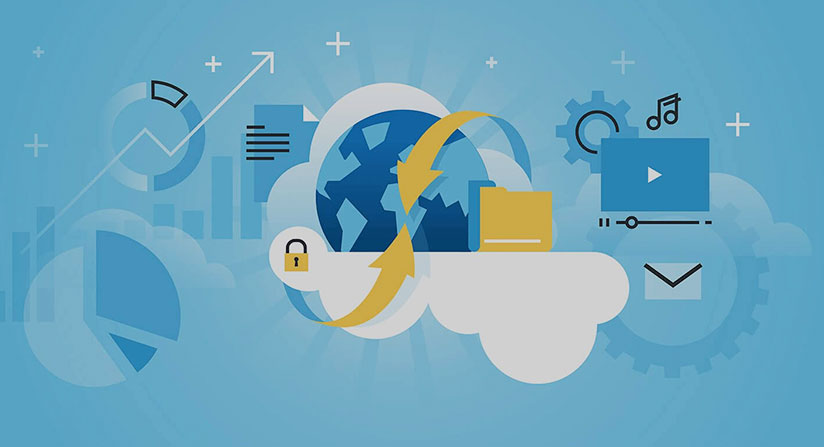
Cloud-based ERP systems eventually emerged to resolve the inefficiencies and exorbitant costs of on-premise ERP solutions. Greater access to real-time data and the fast-growing pool of Web-based applications, coupled with increased scalability and data storage tipped the scales in favor of cloud-based solutions for businesses in most industries, including manufacturing companies. Add in the more recent developments in mobile technologies that enable manufacturers to access data from anywhere at any time via hand-held devices and it’s easy to see why cloud-based ERP has prevailed.
Recent industry research shows that manufacturing organizations are increasingly leveraging cloud technologies to drive connectivity across operationsfrom integrating plant floor equipment and mobile devices to enabling seamless collaboration between customers, suppliers, and internal teams.
Here’s a snapshot of the most notable findings based on recent surveys of manufacturing companies:
- 68% of manufacturers report improved global supply chain visibility and coordination through cloud-based platforms.
- 61% are accelerating and managing new product introductions more efficiently using cloud-enabled systems.
- 85% say cloud solutions have significantly enhanced real-time business insights and analytics capabilities, while over 92% report improved mobile access to critical operational data.
- The top business challenges addressed by cloud technologies include responding to fluctuating customer demand (~70%), strengthening global supply chain management (~68%), and improving product innovation cycles (~61%).
- Looking ahead, key strategic initiatives driven by cloud adoption include increasing supply chain connectivity (~72%), enhancing enterprise-wide integration (~70%), and advancing quality and compliance programs (~69%).
Overall, cloud technology in 2026 is no longer just an enabler—it is a core foundation for building agile, data-driven, and highly connected manufacturing ecosystems.
With the foregoing as background, here are 7 key reasons (among many) manufacturers are turning to the cloud:
1. Savings Across the Board / No Worry about Upgrades
Cloud-based solutions can save manufacturing companies a small fortune over the long haul. Usually, there is little to no upfront expense and with subscription-based monthly fees, there are few surprises down the road. It’s basically a pay-as-you-go scenario. Not having to employ IT staff to maintain all the components of the system saves money and automatic upgrades keep the software current, so you never have to worry about whether your legacy system will continue to be supported.
2. Flexibility to Use Only the Features You Need
One of the often under-reported virtues of the cloud is its flexibility, especially the ability to configure the system so that you use only the features you need. In many cases, you can pay for features on a per-use or as-needed basis and upgrade or downgrade functionality and services to fit your requirements.
3. Scalability
On-premise solutions may lack the scalability to keep pace with business growth. Conversely, a cloud-based system enables you to scale to whatever degree you see fit to accommodate growth or any unforeseen changes in demand for your products or services.
4. Connecting All the Dots
Connected manufacturing depends upon the cloud for its success. A cloud-based ERP system provides the tools to effectively run your entire manufacturing enterprise – connecting plant floor production with end-to-end inventory traceability, and quality control, finance, planning and human resources with supply chain management. In summation, a cloud-based ERP offers a 360-degree, real-time view of your manufacturing business – “from the shop floor to the top floor and across your entire supply chain.”
5. Advanced Analytics for Improved Forecasting and Decision-making
Cloud-based ERP solutions should be able to deliver advanced analytics capabilities that enable manufacturers to access essential business intelligence for more accurate forecasting. Armed with the right business intelligence, manufacturers can accurately predict future peaks and valleys in the supply chain and take the necessary actions to prepare for those eventualities.
6. Cloud Empowers Mobile Productivity
Mobile and the cloud go hand in hand – they offer freedom to workers wherever they are. Users can access their applications and their files from any Web-enabled mobile device and they can collaborate with co-workers on documents and presentations, no matter where in the world they may be.
7. Cloud Levels the Playing Field
With the emergence of cloud-based ERP systems, the playing field has leveled somewhat between smaller manufacturers and their larger competitors. Without having to endure the monumental IT costs needed to implement and maintain on-premise systems, smaller manufacturers can be more focused on innovating and differentiating, rather than trying to troubleshoot issues or put up with paying for functionality they don’t need.
If you’re a small- to mid-sized manufacturing firm and haven’t yet explored the fast-growing world of cloud-based ERP, we think you should do some investigating into all the cost- and time-saving benefits that can accrue. The ROI just might be too good to resist.
Download our product brochure to see how OptiPro Manufacturings- an end-to-end manufacturing ERP combines financial management, supply chain, CRM, and industry-specific solutions in one seamless system and gives you the foundation to scale and compete in todays digital world.